Snapshot
How aligned
is your team?
Most teams think they are.
By the time misalignment shows up, it's already cost them.
Language lies. Images don't.
Before anyone speaks, people have already formed a view.
By the time your team tells you what they think, they're telling you what they know you want them to say. Research calls it social conformity bias.
How it works
One question.
Many images.
Simultaneous response.
Ask a question. Show a curated set of ambiguous images. Everyone picks one - at the same time, without seeing each other's choice.
The variation in responses is your alignment score.
Your team?
Does your team look like the u10 soccer team
or the synchronised swimming team?
Most teams think they're the swimmers.
What a reveal looks like
Each person's image.
Their own words. Instantly.
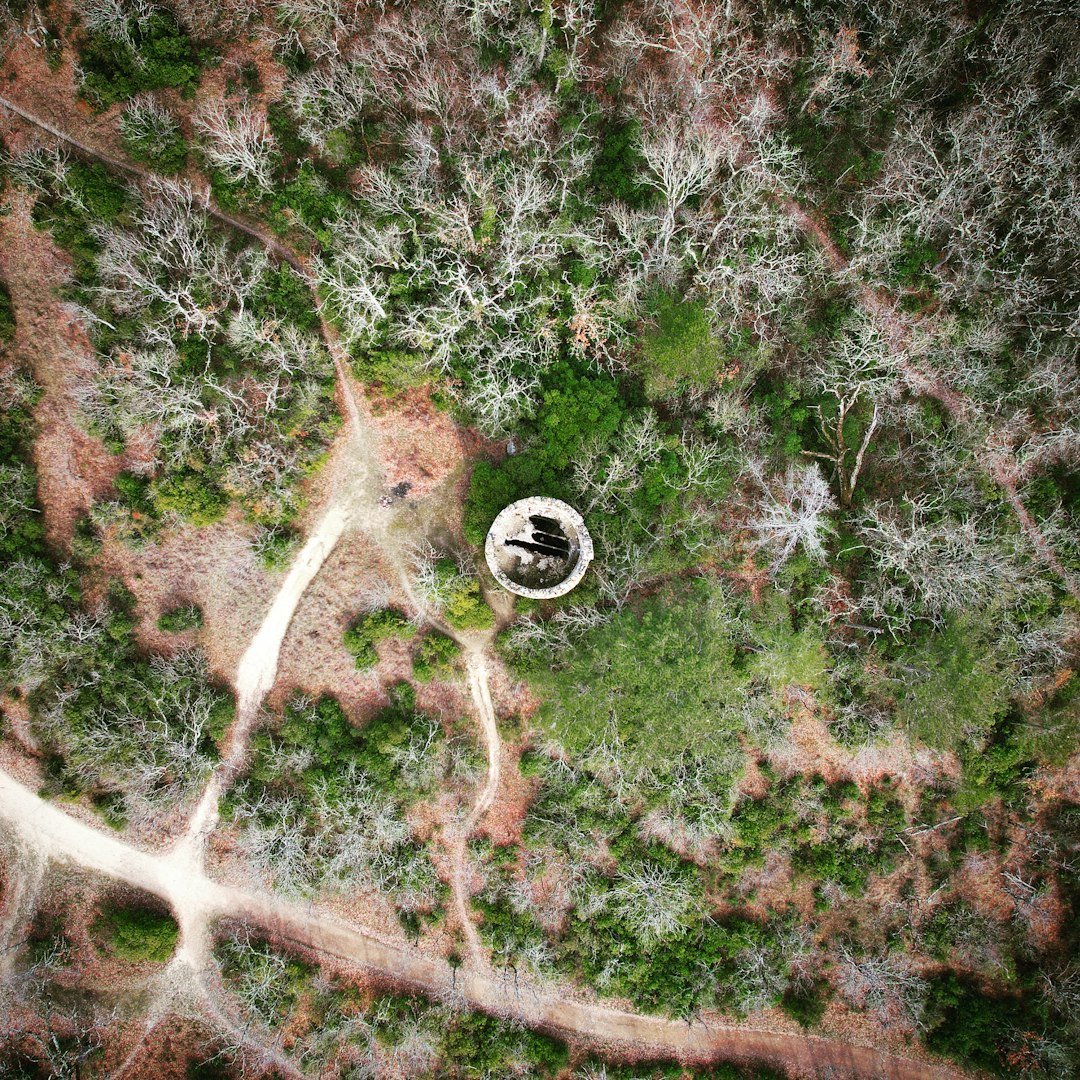
Luca
- More aligned with where we are than where we want to be.
- The gap between what we say and what we actually experience.

Kezia
- More ambiguity than certainty here — and that feels honest.
- This is exactly where I think we are right now.

Femi
- This is the feeling of momentum we have right now.
- I'd describe our team culture with this image without needing words.

Grace
- I chose this because it made me pause. I think that's the point.
- This captures the direction I feel us heading.

Elisa
- Something here I couldn't name, but immediately recognised.
- This is what clarity looks like to me, even when we're not there yet.

Amara
- The tension in this image mirrors what I see day to day.
- The kind of stillness that comes before something shifts.
Five minutes. One alignment score. One conversation that changes things.
Try it now
Start a Snapshot.
Know where your team actually stands.
Five minutes is all it takes. You'll see what months of meetings couldn't surface.
Start a Snapshot